
Modular Switches vs Traditional Switches: Which Should You Choose?
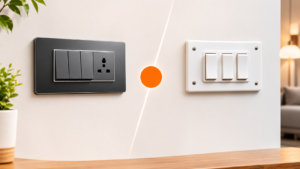
Switches might be small in size. They make a big difference in how a home works every day. They affect how easy it is to use lights and appliances how a room looks and how safely electricity is handled. When you’re building a house or updating an old one choosing between modular switches and traditional switches isn’t just about style. It’s also about how the switches fit your needs for flexibility how easy they are to install how much upkeep they require, what features they offer and what your electrical setup demands.
So which switch type is better for your home—modular or traditional? This guide compares both options across areas: differences, advantages, available features, price and real-world use. You’ll get insight into each kind so you can pick the best electrical switches, for your space and your lifestyle.
What Are Modular Switches?
Modular switches are modern electrical switches designed as separate, interchangeable units that fit into a common plate or frame. Unlike conventional switches, their individual modules can be arranged, replaced, or combined with sockets and other accessories based on the electrical requirements of a room.
One of the key modular switch features is flexibility. Homeowners can choose different switch layouts, finishes, and functions while maintaining a clean, coordinated look. This makes modular electrical switches a practical choice for new homes, renovations, and spaces where both appearance and functionality matter.
What Are Traditional Switches?
Traditional switches are conventional electrical switches commonly used in homes and buildings for controlling lights, fans, and other electrical appliances. They typically have a fixed switch-and-plate design, with the components installed together rather than being arranged as separate interchangeable modules.
Known for their familiar design and straightforward operation, traditional switches have been used in residential electrical systems for decades. However, their layout and replacement options can be more limited compared with modern modular switches, making the modular switch vs normal switch comparison important when planning a new installation or upgrading an existing one.
Modular Switches vs Traditional Switches: What Is the Difference?
The main difference between modular switches vs traditional switches lies in their construction, flexibility, appearance, and ease of replacement.
Feature | Modular Switches | Traditional Switches |
Design | Modern, sleek, and available in different styles and finishes | Simple and conventional design |
Construction | Individual modules fitted into a frame or plate | Generally integrated or fixed switch-and-plate setup |
Flexibility | Modules can be arranged or replaced according to requirements | Layout options are comparatively limited |
Maintenance | Modular construction can make individual component replacement more convenient | Straightforward, but component-level replacement may be less flexible |
What Are the Advantages of Modular Switches?
The popularity of modular electrical switches comes from their combination of functionality, flexibility, and contemporary design. Their separate-module construction gives homeowners more freedom when planning or upgrading electrical points.
Key advantages of modular switches include:
- Flexible layouts: Switches, sockets, and other accessories can be combined within the same plate to suit different requirements.
- Modern appearance: Clean lines and coordinated plates can complement contemporary home interiors.
- Easy customisation: Different modules and configurations make it easier to create a layout based on room-specific needs.
- Convenient replacement: Individual modules can often be replaced without changing the entire plate, depending on the product design.
What Are the Benefits of Traditional Switches?
While traditional switches may have fewer customisation options than modular designs, they continue to be used in many homes because of their familiar construction and straightforward operation.
Some key benefits include:
- Familiar design: Their conventional layout is easy for most homeowners to understand and use.
- Simple operation: Traditional switches generally focus on basic functions such as controlling lights, fans, and appliances.
- Straightforward installation: Their conventional construction can be suitable for standard electrical setups.
- Cost considerations: Depending on the product, brand, and installation requirements, traditional switches may offer a practical option for budget-conscious projects.
- Easy availability: Conventional switch designs are widely used, making replacement options relatively familiar.
Which Switches Are Best for Different Home Requirements?
There is no single answer to modular switches vs traditional switches for every home. The right option depends on factors such as the type of installation, desired appearance, flexibility, budget, and future electrical requirements.
Home Requirement | Suitable Option | Why? |
New home construction | Modular switches | Offers greater flexibility when planning switch and socket layouts from the beginning. |
Modern interiors | Modular switches | Sleek designs and coordinated plates can complement contemporary décor. |
Frequent layout changes | Modular switches | Individual modules can provide greater flexibility for future modifications. |
Customised switch combinations | Modular switches | Different modules can be arranged to accommodate multiple functions. |
How to Choose the Best Modular Switches for Home?
Choosing the best modular switches for home is about more than picking a colour or finish. Before buying, consider these factors:
- Check the electrical requirements: Identify how many switches, sockets, and other accessories each room needs before selecting a plate configuration.
- Choose the right switch type: Consider the appliance or function being controlled and select a compatible switch designed for that application.
- Look at ratings and specifications: Check the product’s voltage, current rating, and other technical specifications to ensure they are suitable for the intended use.
- Consider build quality: Look for well-constructed switches made from suitable, durable materials and designed for regular household use.
- Prioritise safety features: Check for appropriate insulation, certifications or applicable standards, and protection features specified by the manufacturer.
Why Choose Smart Electrical for Your Home Electrical Switches?
Choosing the right home electrical switches is an important part of creating a convenient and well-organised electrical setup. Smart Electrical brings together a range of electrical products designed to meet everyday residential requirements, making it easier to find suitable solutions for different spaces and applications.
Whether you’re upgrading an existing setup or planning electrical points for a new home, explore Smart Electrical for switches and other electrical solutions that combine practical functionality with modern design. Compare your requirements, check the product specifications, and choose the options that fit your home’s electrical layout and everyday needs.
Conclusion
The choice between modular switches vs traditional switches ultimately depends on what your home needs. Modular switches offer flexibility, customisation, and a modern appearance, while traditional switches can be a straightforward option for conventional electrical setups.
Before making a decision, consider your electrical requirements, existing setup, budget, design preferences, and future needs. With the right specifications and proper installation, you can choose home electrical switches that make your everyday spaces both functional and convenient.
Frequently Asked Questions
Are modular switches better than traditional switches?
Modular switches offer greater flexibility, customisation, and modern design, while traditional switches can suit simpler electrical setups. The better option depends on your home’s requirements, budget, and installation.
Are modular switches more expensive than traditional switches?
Modular switches can have a higher initial cost depending on the brand, design, and features. Compare the complete product and installation costs before choosing.
Are modular switches suitable for every home?
Modular switches can suit most modern residential setups, but compatibility with existing wiring, electrical boxes, and installation requirements should be checked first.
Can I replace traditional switches with modular switches?
Yes, traditional switches can often be replaced with modular switches, but compatibility with the existing wiring, mounting arrangement, and electrical setup should be verified by a qualified electrician.