
Electrical Wires Buying Guide
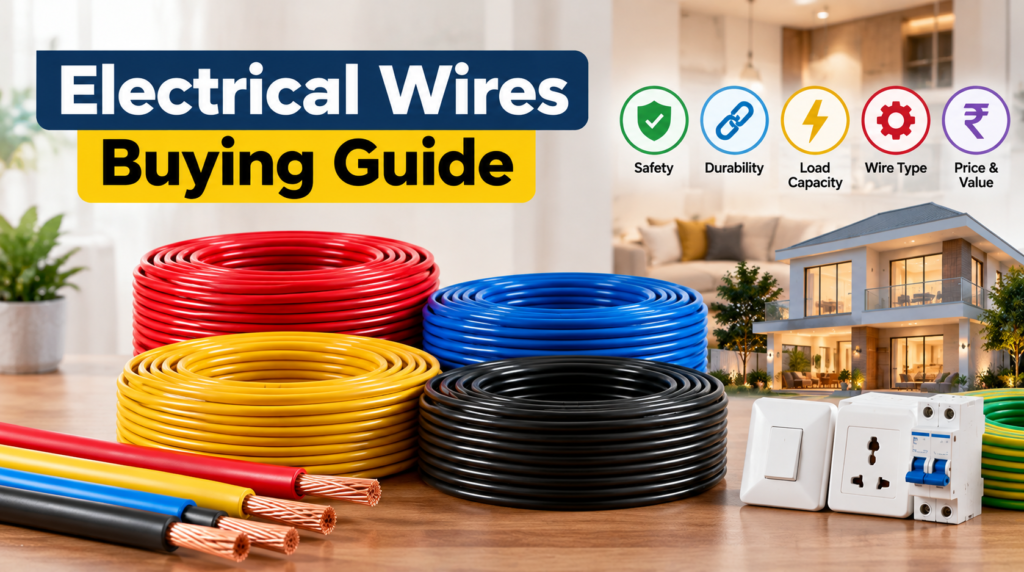
Electrical wires might look basic. Picking the correct one can have a big impact on safety and how well the system works. There are types of electrical wires different sizes, materials for the inside part options for covering and various uses. Choosing a wire just because it looks good or is cheap can result in a decision.
If you are dealing with home wiring changing a cable or setting up a new electrical system knowing the basics can make buying easier. This guide, about buying cables will help you look at different wire types, sizes, thicknesses, details and uses so you can choose the right electrical wire that fits your needs.
What Are Electrical Wires and Cables?
Electrical wires and cables are essential components used to carry electrical current from one point to another. While both serve the same basic purpose, they differ in their construction, number of conductors, insulation, and typical applications.
A wire generally consists of a single electrical conductor with insulation, while a cable can contain two or more insulated conductors grouped together within an outer sheath. Understanding this difference makes it easier to choose the right electrical wire types, electrical cable types, and sizes for residential, commercial, or industrial applications.
What Are the Different Types of Electrical Wires?
Electrical wires come in different types based on their insulation, construction, flexibility, and intended use.
Here are some commonly used types of electrical wires:
PVC-Insulated Wires: A widely used option for general electrical wiring, offering insulation and protection for everyday installations.
FR Wires: Flame-retardant wires designed to reduce the spread of fire along the insulation when exposed to flames
FRLS Wires: Flame-retardant, low-smoke wires that help reduce smoke generation during a fire, making them suitable for applications where fire safety is an important consideration.
FRLSH Wires: Designed with flame-retardant and low-smoke properties while also reducing halogen emissions, depending on the specific product construction.
Flexible Wires: Made for applications where the wire needs to bend or move easily, such as connections to appliances and equipment.
Single-Core Wires: Contain one conductor and are commonly used for fixed wiring and electrical connections.
Electrical Wire Size Chart: Common Sizes and Applications
Electrical wire size is usually expressed in square millimetres (sq. mm) in India, referring to the conductor’s cross-sectional area.
The table below provides a general reference to commonly available wire sizes and their typical applications.
Electrical Wire Size | Common Applications |
0.5 sq. mm | Low-power electrical and control applications |
0.75 sq. mm | Lightweight appliances, control circuits, and flexible connections |
1 sq. mm | Lighting and other low-load circuits, depending on design |
1.5 sq. mm | Commonly used for lighting and light-load residential circuits |
2.5 sq. mm | Commonly used for socket and moderate-load circuits |
Electrical Wire Applications: Which Wire Is Used Where?
Different electrical installations require different wire types based on the load, environment, flexibility, insulation, and safety requirements. A wire suitable for lighting may not be appropriate for a high-power appliance or an industrial installation. Understanding these electrical wire applications makes it easier to select the right product for the job.
Application | Commonly Used Wire/Cable | Why It Is Used |
Home lighting circuits | Single-core PVC, FR or FRLS wires | Suitable for fixed residential wiring when correctly sized |
Power sockets | Copper FR/FRLS wires | Provides reliable current carrying capacity when matched to the circuit load |
Fans and small appliances | Flexible or suitable insulated wires | Useful where flexibility and easy connections are required |
Control panels | Flexible/single-core wires | Convenient for organized internal connections and control circuits |
How Do Electrical Wire Specifications Affect Your Choice?
Electrical wire specifications tell you whether a wire is suitable for a particular installation. Factors such as conductor material, wire size, insulation type, voltage rating, temperature rating, flexibility, and applicable standards can affect the wire’s safety, durability, and performance.
Before choosing an electrical wire, check these key specifications:
Conductor Material: Copper is widely used for its conductivity and flexibility, but the appropriate material depends on the application.
Wire Size: The conductor’s cross-sectional area determines its current-carrying capability and must be matched to the circuit requirements.
Insulation Type: PVC, FR, FRLS, and other insulation options provide different levels of protection and should suit the installation environment
Voltage Rating: The wire should be rated for the voltage of the electrical system where it will be installed.
Temperature Rating: Check the permitted operating temperature, particularly for installations exposed to heat.
How to Choose the Right Electrical Wire Size for Your Application?
Choosing the right electrical wire size is about more than simply selecting a thicker or thinner wire. The correct size depends on the circuit’s electrical load, cable length, installation conditions, and the protective device used. A properly sized wire can help the electrical system operate safely and reliably.
Consider these factors when selecting a wire size for electrical applications:
Calculate the Electrical Load: Identify the expected current demand of the appliances or equipment connected to the circuit.
Match the Wire to the Load: Select a conductor size with an appropriate current-carrying capacity for the circuit.
Consider Circuit Length: Longer cable runs can increase voltage drop, which may require a different conductor size.
Check Installation Conditions: Ambient temperature, cable grouping, conduit installation, and other conditions can affect the wire’s capacity.
Match the Protective Device: The wire size should be coordinated with the appropriate fuse or circuit breaker to provide suitable circuit protection.
Why Choose Smart Electrical for Your Electrical Wire Needs?
Choosing electrical wires from a reliable source can make the buying process simpler, especially when you need to compare wire types, sizes, insulation, and applications. Smart Electrical offers solutions designed to meet different electrical wiring requirements, helping customers find products suited to residential, commercial, and other applications.
Here’s why you can consider Smart Electrical for your electrical wire needs:
Wide Range of Wires and Cables: Choose from different wire and cable options based on your installation requirements.
Application-Focused Solutions: Select products according to the electrical load, installation environment, and intendeduse.
Quality-Focused Products: Product selection should always consider relevant specifications, standards, and safety requirements.
Conclusion
Choosing the right electrical wire is less about picking the thickest option and more about finding the right match for the load, size, insulation, application, and installation conditions. From understanding electrical wire types and sizes to checking specifications and safety requirements, every detail can make a difference.
With the right knowledge and a reliable range from Smart Electrical, you can make your wire selection with greater confidence. Choose the right wire for the right application, and build an electrical system designed for safe, dependable performance.
Frequently Asked Questions
Q. How do I read an electrical wire size chart?
An electrical wire size chart matches the conductor’s cross-sectional area, usually shown in sq. mm, with common applications. Use it as a reference, but confirm the required size based on load, circuit length, installation conditions, and applicable standards.
Q. What is the difference between wire gauge and sq. mm?
Wire gauge is a sizing system used to indicate conductor thickness, while sq. mm refers directly to the conductor’s cross-sectional area. In India, electrical wire sizes are commonly specified in sq. mm.
Q. Which wire size is suitable for home electrical applications?
There is no single wire size suitable for every home circuit. The required size depends on the electrical load, circuit length, installation method, protective device, and other design factors.
Q. How do I choose the right electrical cable size?
Consider the expected current, cable length, voltage drop, installation conditions, conductor material, and protective device. For complex or high-load installations, cable sizing should be verified by a qualified electrical professional.